AI Automation for Small Businesses: Where It Actually Helps
An honest guide to which repetitive tasks AI can realistically take off your plate, why humans stay in control, and how data protection fits in.
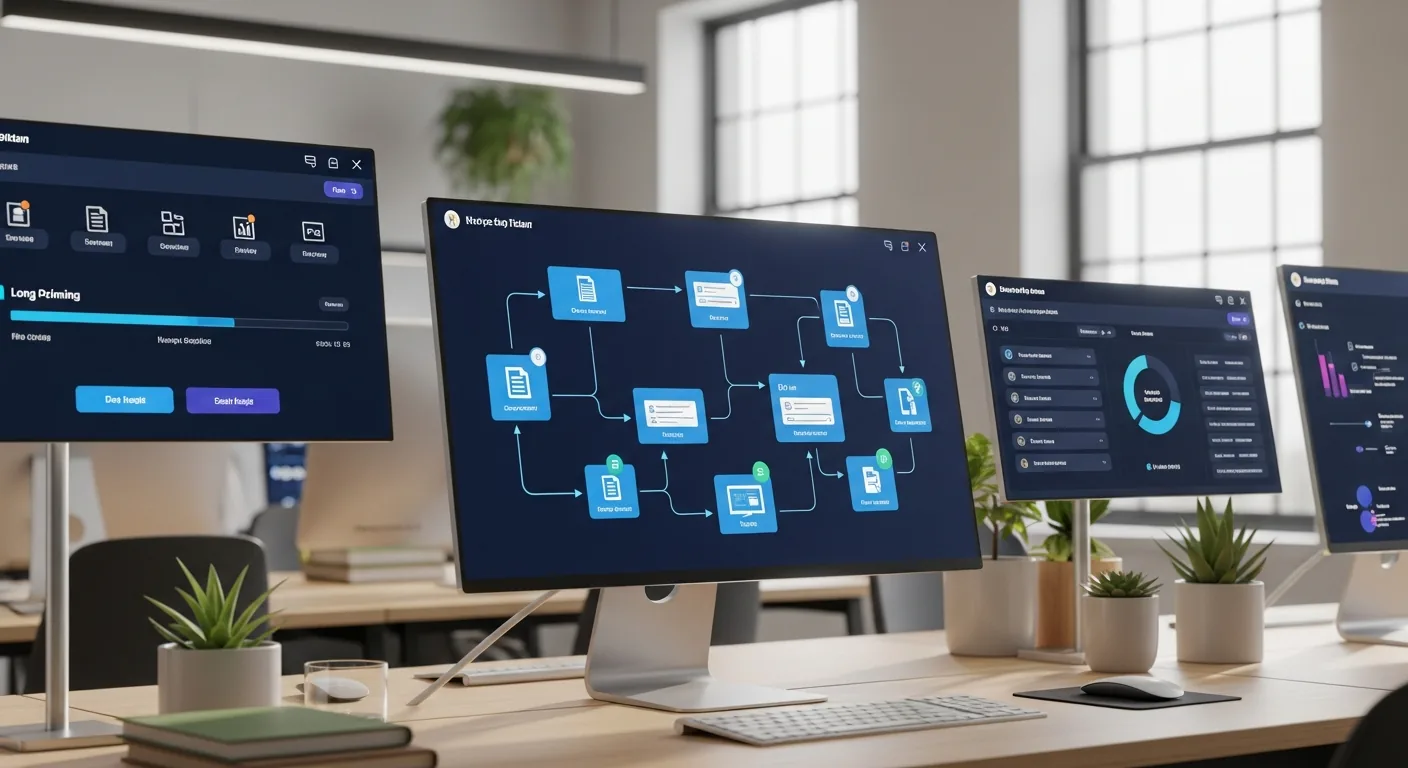
AI automation sounds like something for large corporations with dedicated tech departments. In practice, a single well-chosen task can free up meaningful time without requiring any technical staff. The key is knowing where it genuinely helps and where it does not belong.
Where AI makes a real difference day-to-day
The goal is not to replace whole processes. It is to relieve the spots where the same work gets repeated every single day.
Sorting and drafting replies to incoming messages: AI can scan incoming emails and enquiries, sort them by topic, and prepare a draft reply. A team member reads the draft, makes any adjustments, and hits send. Nothing goes out without a human having looked at it first.
Qualifying and routing leads: When a lot of enquiries come in each day, AI can identify which ones are concrete and time-sensitive. The hot leads reach sales first; the rest get structured and queued for later. No opportunity gets buried in an overflowing inbox.
Extracting data from documents: Invoices, order forms, PDF delivery notes: manually retyping this information costs time that could be spent elsewhere. AI can recognise the relevant fields and transfer them to the right system. A person handles exceptions and anything unclear.
Capturing appointment and booking requests: An assistant can take requests around the clock and pass them on in a structured format. The actual confirmation still comes from a human, so no commitment is made without review.
The core principle: AI prepares, a person decides
This is not a limitation. It is a quality standard. AI is very good at recognising patterns, structuring text, and speeding up routine work. It is not well-suited to having the final word on sensitive decisions.
Anywhere a mistake is costly, where legal consequences could follow, or where a customer relationship is at stake, a human must remain involved. No exceptions.
What you should not automate without thinking
- Decisions with legal effect (quotes, contract clauses, payment reminders)
- Replies in sensitive situations (complaints, disputes, emergencies)
- Anything where a wrong output causes direct harm
No technology replaces responsibility and judgement in these areas.
Start small, then scale with purpose
The most effective starting point always comes from the same question: which task is genuinely painful, happens every day, and follows a clear pattern? Automating that one task well delivers more value than ten half-finished projects.
Once that first step works and saves measurable time, the approach can expand to other tasks. Trying to automate everything at once makes it hard to maintain quality and stay in control.
Data protection is not negotiable
Especially in the DACH region, how data is handled is a deciding factor. Reliable automation solutions run on servers within the EU. Your data is not used to train third-party AI models. A data processing agreement is standard, not optional.
This is not a bureaucratic formality. It is the foundation for your customers and your team to trust the system.
What this means for your business
AI automation is neither a cure-all nor a threat. It is a tool that works well when assigned to the right tasks. Used honestly and deliberately, it creates space for the work that genuinely deserves your attention.
Blog
Related articles
Ready?
Want us to deliver this for you?
Turn knowledge into results: tell us what you have in mind, we get back to you with an honest assessment.